 how-to
Car Breaks Down: What to Do in the First 30 Seconds
Last Updated: November 2, 2026
Quick Summary
When your car breaks down, ease off the accelerator and let the car coast, turn on your hazard lights right away, and steer toward the right shoulder or nearest safe area. Check your mirrors before changing lanes, and call for help once you are safely stopped.
- Call 911 first if anyone is hurt, your car blocks traffic, or you see smoke or fire.
- Give your exact location, direction of travel, vehicle description, and what went wrong to the dispatcher.
- On a highway, stand well behind the guardrail and never between your car and the road.
- On a bridge or in a tunnel, stay in the car with hazards on and call 911.
- At night, turn on your hazard lights and interior dome light, and never stand behind your car.
Table of Contents
- The First 30 Seconds After Your Car Breaks Down
- My Car Broke Down, Who Do I Call?
- What to Do if Your Car Breaks Down on the Highway
- What to Do When Your Car Breaks Down at Night
- Frequently Asked Questions
The First 30 Seconds After Your Car Breaks Down
When your car breaks down, the first 30 seconds matter most. Stay calm, keep both hands on the wheel, and let the car slow on its own. Do not slam the brakes, sudden braking can send you into traffic or into a spin.
Here is the order that keeps you safe:
- Ease off the accelerator and let the car coast.
- Turn on your hazard lights right away.
- Grip the wheel and steer toward the right shoulder or nearest safe area.
- Check your mirrors before changing lanes.
Here is the order of actions that keeps you safe in the first moments after a breakdown.
| Step | What to do |
|---|---|
| 1 | Ease off the accelerator and let the car coast |
| 2 | Turn on your hazard lights right away |
| 3 | Grip the wheel and steer toward the right shoulder or nearest safe area |
| 4 | Check your mirrors before changing lanes |
My Car Broke Down, Who Do I Call?
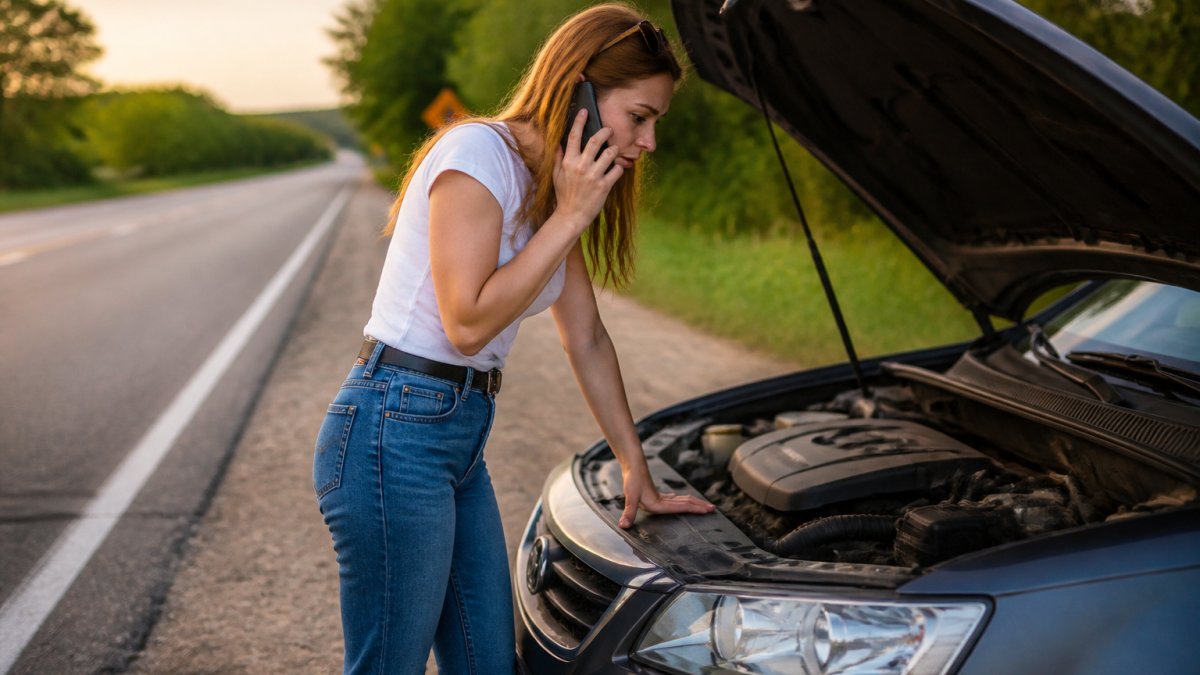
Call for help once you are safely stopped. If anyone is hurt, your car is blocking traffic, or you see smoke or fire, call 911 first. Otherwise, call your roadside assistance provider or a trusted local shop. You can book service with this business once you know you need a repair shop.
What to Tell the Dispatcher
Give these details in this order so help can find you fast:
- Exact location: Use highway mile markers, exit numbers, or a phone location pin. On a rural road, name the nearest cross street or landmark.
- Direction of travel: Say which way you are facing and which lane or shoulder you are near.
- Vehicle description: Make, model, color, and license plate if you can see it safely.
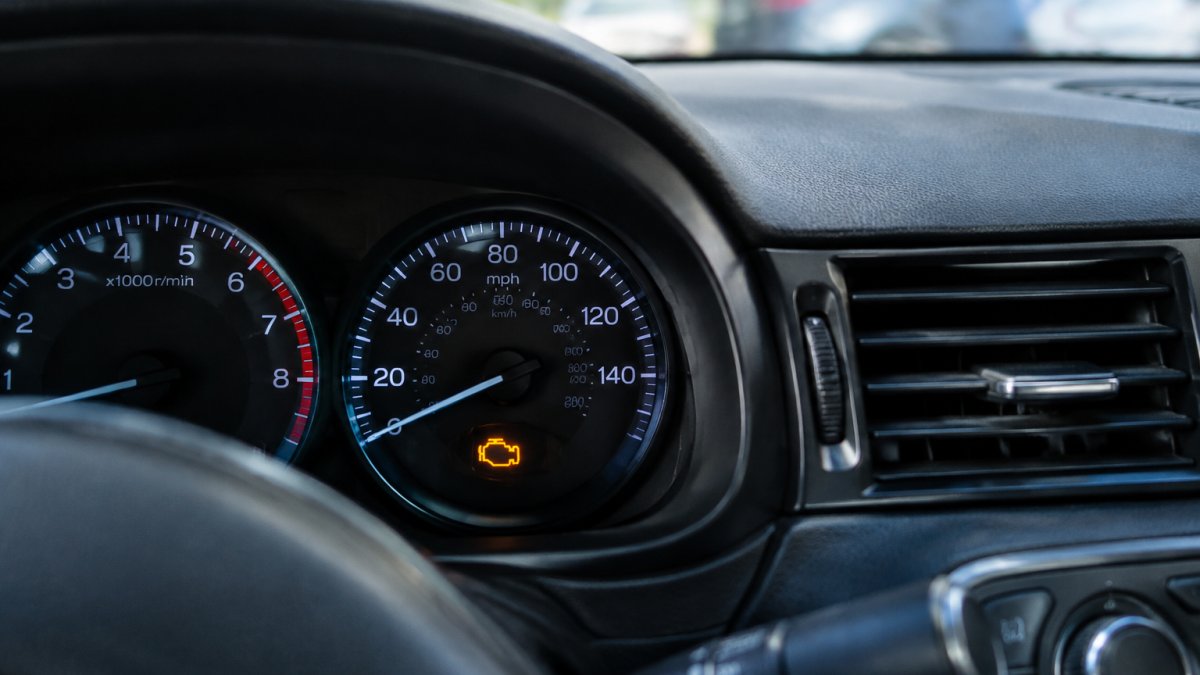
- What went wrong: Flat tire, dead engine, smoke, leaking fluid, or warning lights. Mention any fire or fuel smell immediately.
When to Call 911 Instead of Roadside Assistance
Call 911 if any of these are true:
- Someone is injured or feels unwell.
- Your car is stopped in a live travel lane or on a blind curve.
- You see smoke, flames, or smell fuel.
- You are in a tunnel, on a bridge, or in severe weather with poor visibility.
- You feel unsafe because of traffic or another person.
For a routine breakdown on a safe shoulder, roadside assistance is usually faster and keeps 911 lines open.
Watch out: do not stay on the phone in a live lane. If traffic is close, call 911, give your location, and follow the dispatcher's instructions to move to safety first.
What to Do if Your Car Breaks Down on the Highway
A highway breakdown is the most dangerous kind, because traffic moves fast and drivers have little time to react.
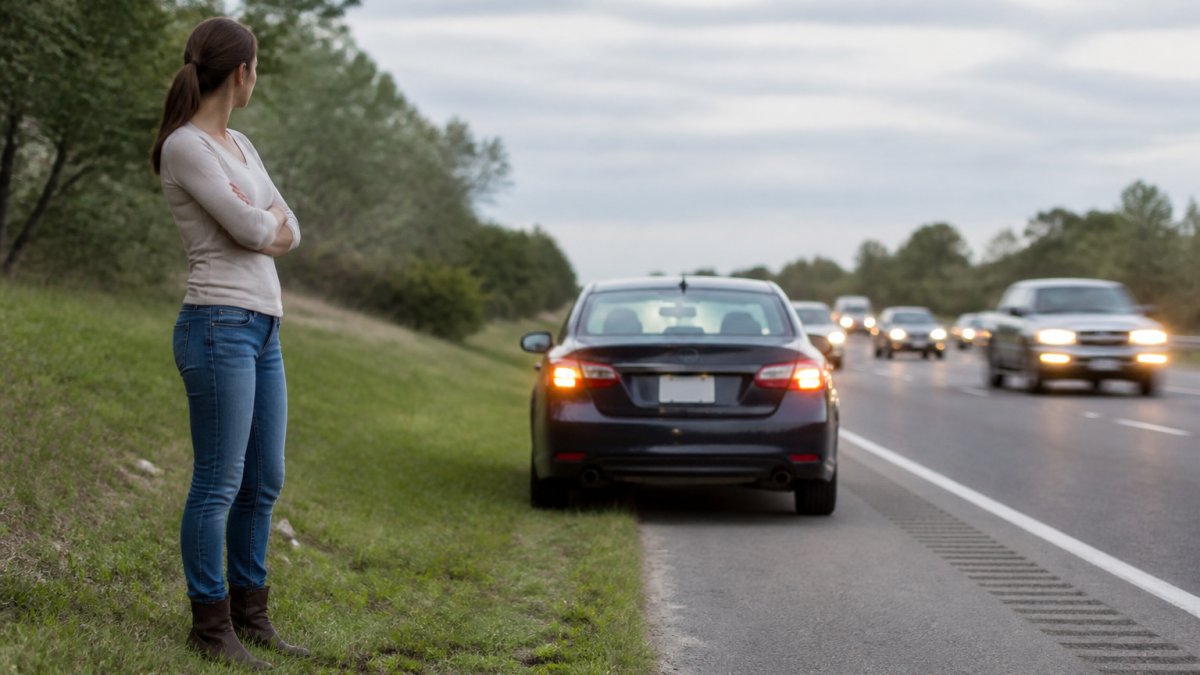
Then follow these steps:
Schedule An appointment online →
- Stay buckled in if you are in a live lane and traffic is close.
- Exit on the side away from traffic only when it is safe.
- Stand well behind the guardrail, never between your car and the road.
- Do not open the hood facing traffic or attempt repairs in the travel lane.
If the car will not move at all, stay inside with your seatbelt on and call 911. Do not walk along a busy highway.
Stay Inside or Get Out? Use Your Location to Decide
The right answer depends on where your car comes to rest:
- Live travel lane, traffic moving fast: Stay buckled in, turn on hazards, and call 911. Do not open your door into traffic. If you must exit, wait for a clear gap and move to the far side away from traffic.
- Right shoulder with a guardrail: Exit on the passenger side, cross behind the guardrail, and stand well back. Never stand between your car and oncoming traffic.
- Grassy median or wide shoulder: Exit on the side away from traffic and stand at least 10 to 15 feet off the pavement, behind a barrier if one exists.
- Bridge or overpass: There is often no shoulder. Stay in the car with hazards on, seatbelt fastened, and call 911. Do not walk along the bridge deck.
- Tunnel: Pull as far right as possible, turn on hazards, and call 911. Do not exit unless there is a marked emergency walkway or the tunnel operator directs you.
Passenger and Pet Considerations
If children, pets, or passengers with medical needs are with you, adjust the plan:
- Keep children buckled in until you have decided whether to stay or exit, and never let them stand near the road.
- Put pets on a leash before opening any door, and exit on the side away from traffic.
- If a passenger has a medical condition, tell the 911 dispatcher immediately and follow their instructions; do not move the person unless there is immediate danger.
Watch out: do not stand behind your car or between your car and the guardrail. Drivers fixate on taillights and may not see a person until it is too late.
What to Do When Your Car Breaks Down at Night
Darkness makes you harder to see, so visibility becomes your top job. Turn on your hazard lights and interior dome light. If you have a warning triangle or flares, set them out only when it is safe to walk.
Then do this:
- Pull as far off the road as you can.
- Keep your headlights on if the battery allows.
- Stay in the car with the doors locked if you feel unsafe.
- Call for help and share your location pin from your phone.
Watch out: do not stand behind your car in the dark. Oncoming drivers aim for taillights, and a person in that space is invisible until it is too late.
Frequently Asked Questions
What is the first thing you should do if your car breaks down?
Stay calm, then get your hazard lights on immediately so surrounding traffic sees you. Ease off the accelerator and let the car slow down naturally, steering toward the right shoulder or another safe area. Avoid sudden braking, which can cause a skid or a rear-end collision. Once stopped, set the parking brake, keep your seatbelt on, and assess whether it is safer to stay inside or step out. Calling for help comes after you are safely positioned.
Should I stay in my car or get out when my car breaks down?
On a busy highway, staying inside with your seatbelt fastened is usually the safer choice unless the car is in a travel lane, smoking, or on fire. If you can safely exit, move to the shoulder or behind a barrier, away from traffic, and never stand between your vehicle and oncoming cars. At night, stay visible and keep your hazard lights on. Use your judgment: smoke or flames mean get out and move well away.
Who do I call when my car breaks down?
Call roadside assistance first if you have a membership, then your insurance company if it includes towing coverage. If you are in a dangerous spot, in a tunnel, or blocking a lane, call 911 so dispatchers can alert highway patrol. Give them your exact location using mile markers, exit numbers, or GPS coordinates, plus your vehicle description and whether anyone is injured. Once you are safe, arrange a tow to a shop you trust for the actual repair.
A breakdown is stressful, but a clear plan turns panic into action. When the dust settles, you need a shop that diagnoses the real problem and fixes it right the first time. G&K Auto Repair offers timely testing and honest, comprehensive vehicle maintenance, so you know exactly what went wrong before any work begins. Get started with G&K Auto Repair and schedule your appointment online today.