 how-to
How to Help a Mechanic Fix Your Car Right the First Time
Last Updated: October 29, 2026
Quick Summary
A mechanic fixes car problems right the first time when the shop reproduces the fault, gathers evidence, tests the suspect component, confirms the root cause, then repairs and re-tests. You help by describing symptoms clearly and asking what tests confirmed the diagnosis.
- The biggest driver of repeat repairs is replacing a part before the fault is reproduced and tested.
- A strong symptom report covers timing, location, feel, and triggers.
- Ask the shop what tests confirm the diagnosis before approving any work.
- A written estimate should list parts by name and number, labor hours, and the total.
- If the fault returns, call the shop and ask for a re-test, not just a parts swap.
Table of Contents
- Why the First Repair Visit Goes Wrong
- How to Describe Symptoms So the Diagnosis Lands
- Questions to Ask a Mechanic Before Repair
- What a Car Repair Written Estimate Should Include
- How Long Does Car Repair Take?
- What to Do If the Car Problem Returns After Repair
- Frequently Asked Questions
Why the First Repair Visit Goes Wrong
Getting a mechanic fixes car right the first time starts before you hand over the keys. Most repeat visits trace back to a diagnosis that was never confirmed, not to bad wrenches. When a shop replaces parts without reproducing the fault first, guesswork creeps in and the same symptom comes back a week later.
A driver describes a "weird noise," the shop replaces a part, and the sound returns. Nobody did anything dishonest. The diagnosis just skipped a step.
The Real Cause: Parts Swapping Before Confirmation
The single biggest driver of repeat repairs is replacing a part before the fault has been reproduced and tested. A technician who cannot make the problem happen on a test drive or with a scan tool is guessing, even with good intentions. Three habits make that worse:
- Vague symptoms. "It makes a noise" tells a technician almost nothing about when, where, or how.
- Missing history. Skipped maintenance and past repairs change how a car behaves, and a shop that does not ask will misread the baseline.
- No verification step. If nobody road-tests the car after the repair and checks the original symptom, a missed step goes out the door unnoticed.
A Repeatable Diagnostic Sequence That Prevents Comebacks
The fix is a process, not a personality. A shop that follows the same sequence every time catches far more faults on the first pass. Ask whether your shop works this way, and expect a clear yes:
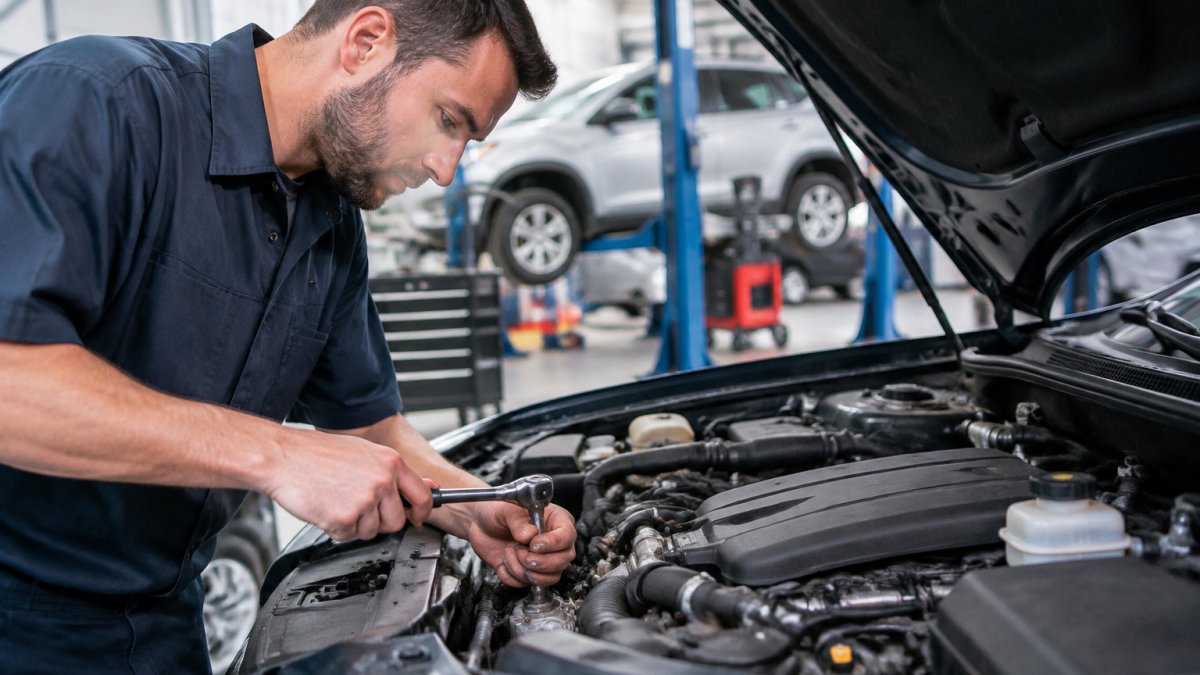
- Reproduce the fault. The technician confirms the symptom under the same conditions you described, cold start, highway speed, braking, turning.
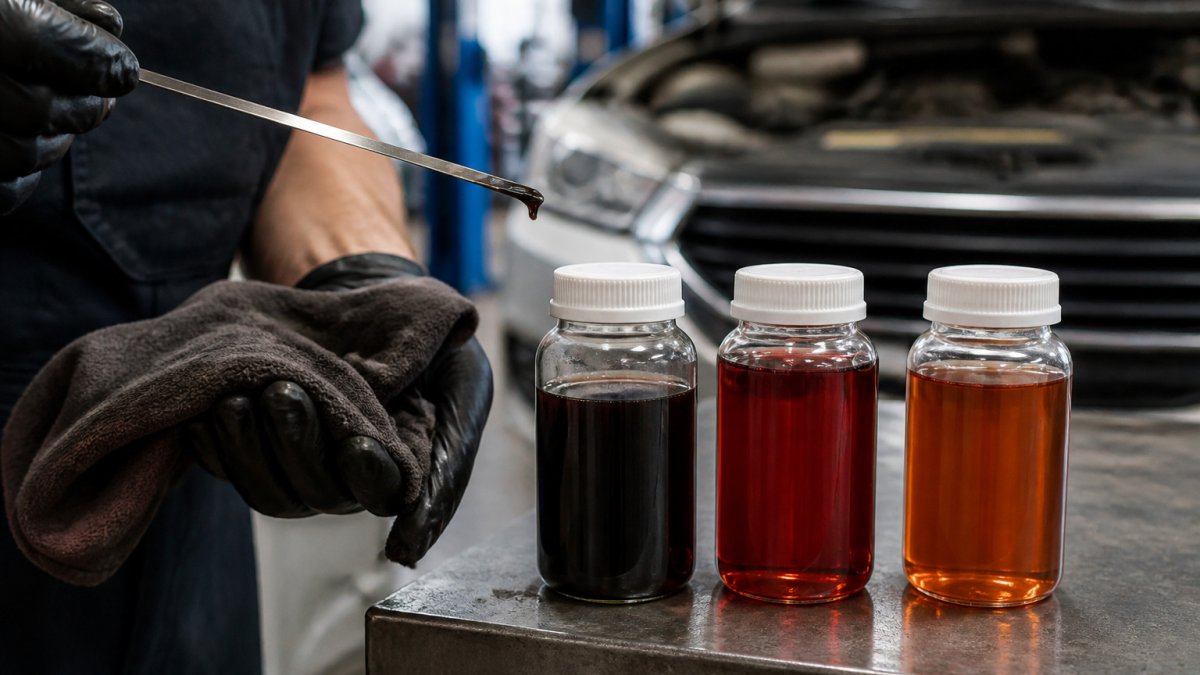
- Gather evidence. Scan-tool codes, live data, a road test with a recorder, or a visual inspection of the suspect system. Codes are a starting point, not a diagnosis.
- Test the suspect component. A fuel pump gets a pressure and volume test. A sensor gets a voltage and signal check. A noise gets isolated with a stethoscope or chassis ears.
- Confirm the root cause. The technician can explain what failed and why it produced your symptom, not just that a part looks old.
- Repair and re-test. After the fix, the same test that reproduced the fault is run again to prove it is gone.
Fix those steps and your odds of a one-and-done repair climb fast. The rest of this guide shows how to hold up your end of that process, describing symptoms clearly, asking the right questions, and verifying the repair afterward.
How to Describe Symptoms So the Diagnosis Lands
The best symptom report answers four questions: when does it happen, where does it come from, what does it sound or feel like, and what makes it worse. A mechanic fixes car issues faster when those details let them test the right system instead of guessing.
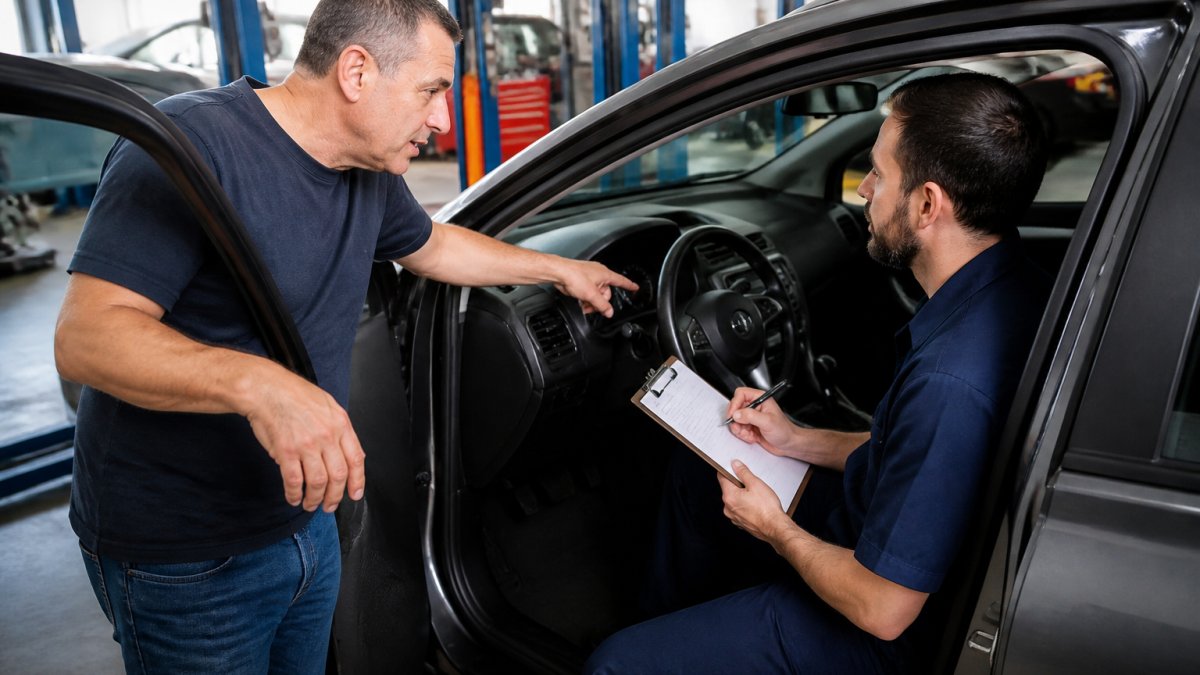
Here is how to build a report that helps:
- Note the timing. Does it happen cold, warm, at idle, or on the highway?
- Name the location. Front left, under the dash, rear axle. Point if you can.
- Describe the feel. Grinding, clicking, vibration, pulling to one side.
A short phone video of the noise is worth more than a paragraph of description. Bring it in.
A strong symptom report covers four things, and each one points the technician to the right test.
| What to report | What to include | Example |
|---|---|---|
| Timing | When it happens | Cold, warm, idle, or highway |
| Location | Where it comes from | Front left, under the dash, rear axle |
| Feel | What it sounds or feels like | Grinding, clicking, vibration, pulling |
| Triggers | What makes it worse | Braking, turning, accelerating, hitting bumps |
Questions to Ask a Mechanic Before Repair
Ask these questions before you approve any work, and you will filter out shops that guess. The right mechanic welcomes them.
- "What tests confirm the diagnosis?" A pro names the scan tool, road test, or measurement used.
- "Is this maintenance or a failure?" It changes urgency and cost.
- "What happens if we wait?" Honest answers separate safety issues from minor ones.
- "Will you show me the worn part?" Good shops keep replaced parts for you.
- "What is your warranty on this repair?" This tells you how confident they are.
Once you have vetted a shop with these questions, the next step is simple: book the repair appointment and get your car on the schedule.
What a Car Repair Written Estimate Should Include
A car repair written estimate is a document that lists the diagnosis, the parts to be replaced, the labor hours, and the total cost before work begins. In practice, a solid estimate protects both sides.
Look for these pieces:
Schedule An appointment online →
- Your name and the vehicle details, including VIN and mileage
- The reported symptoms in your own words
- Parts listed by name and number, new or remanufactured
Red Flags in an Estimate
Watch for these warning signs:
- A total with no breakdown of parts and labor
- No mention of what happens if the repair uncovers more problems
- Pressure to approve work before any testing
A shop that explains its numbers plainly is a shop worth trusting. Federal consumer guidance from the Federal Trade Commission backs your right to clear information before you pay.
How Long Does Car Repair Take?
Ask two questions when you drop off:
- "When will you call me with the diagnosis?" Set the expectation up front.
- "Are parts in stock or on order?" Backordered parts drive most delays.
What to Do If the Car Problem Returns After Repair
A repair is not finished when you pay the invoice. It is finished when you have confirmed the original symptom is gone. Most drivers skip that check, which is why a returning fault feels like a surprise instead of a known risk. Build a short verification routine into every repair, and you will catch problems while the shop still owns them.
The Post-Repair Verification Checklist
Run this before you leave the lot, then again over the first few days:
- Reproduce the original conditions. If the noise happened on cold starts, let the car sit overnight and start it cold. If it happened at highway speed, take it on the highway.
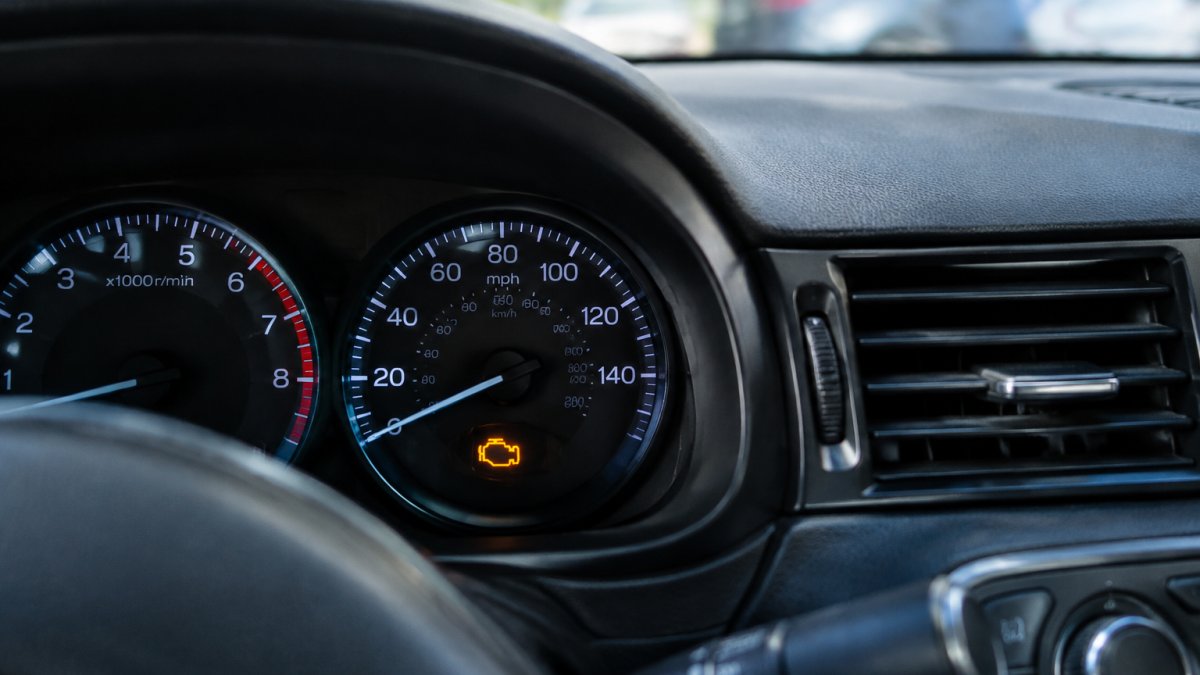
- Watch the warning lights. Confirm the check-engine light is off and stays off through a full drive cycle, not just the first minute.
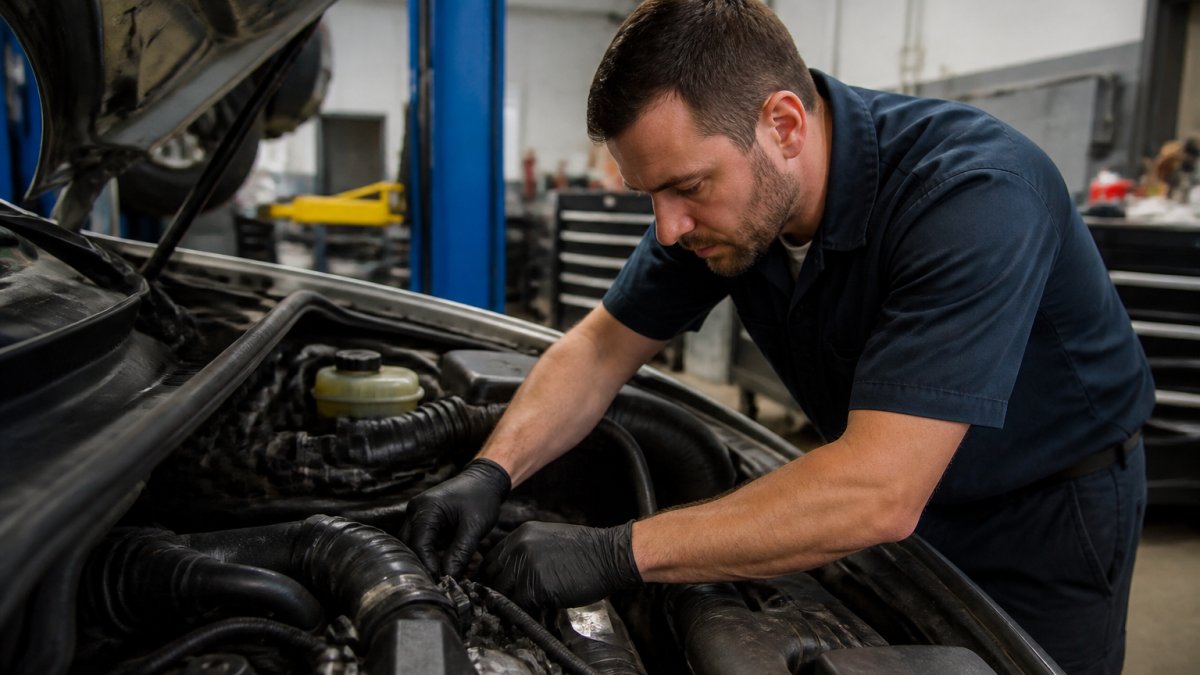
- Check the repair area. Look under the hood or at the wheel for loose connectors, missing fasteners, or fluid seeps.
If the Problem Comes Back
If the car problem returns after repair, call the shop before touching anything and describe what changed. A reputable shop stands behind its work and should re-test when the fault ties back to the original repair.
Do this in order:
- Document the symptoms with the same detail as before, timing, location, feel, and triggers.
- Check your invoice for the warranty terms and the repair date and mileage.
- Call the shop and explain what came back and when, referencing the original repair.
- Ask for a re-test, not just a parts swap. The same test that confirmed the first diagnosis should confirm the second.
- Request a second opinion if the same fault returns twice or the shop cannot explain the diagnostic evidence.
When to Escalate or Seek a Second Opinion
Escalate when any of these is true:
- The same fault returns after two repair attempts on the same system.
- The shop cannot name the test it used to confirm the diagnosis.
- The estimate grows without a new, explained finding.
When a recurring fault keeps coming back, ask for the shop's lead technician and a written explanation of the diagnostic process. You are not being difficult. You are protecting your investment, and a shop that documents its work will welcome the conversation.
Frequently Asked Questions
How can I find a mechanic who fixes the problem right the first time?
Look for a shop that tests before it replaces parts. Ask whether the mechanic will road-test the car, pull diagnostic codes, and confirm the fault before quoting a repair. A shop that explains its diagnostic process up front is far more likely to fix the car right the first time than one that quotes a part over the phone. Reading recent reviews for repeat-visit complaints also helps you judge how often a mechanic fixes car issues on the first attempt.
What should I ask a mechanic before approving a repair?
Ask four things: what test confirmed the diagnosis, which parts will be replaced and why, whether the quote is a written estimate with parts and labor separated, and what happens if the repair does not solve the problem. A straight answer to that last question separates a shop that stands behind its work from one that will charge you again. Get the answers in writing before you approve anything.
What should I do if the same car problem returns after a repair?
Call the shop before you drive far on the car, describe exactly when the symptom came back, and ask them to recheck it under any warranty on the repair. Bring your original written estimate and any notes on dates and conditions. If the shop will not recheck the fault or explain what was missed, get a second opinion and ask the new mechanic to document the findings so you have a record.
How long does car repair take, and how long should diagnosis take?
The repair time depends on the fault and on parts availability and labor, so ask for a time estimate alongside the written estimate. A shop that gives you a realistic window, and calls if it changes, is telling you something about how it runs the job.
Your car deserves a shop that tests before it replaces and explains before it charges. At G&K Auto Repair, we focus on timely testing and repairs done right the first time, backed by clear estimates and a team that walks you through every step. Get started with G&K Auto Repair and schedule your appointment online today.