 How-to
7 Benefits of Regular Brake System Inspection
Last Updated: November 15, 2026
Quick Summary
The benefits of regular brake system inspection come down to catching small wear before it becomes a safety problem or a big repair bill. Most drivers should have brakes checked at least once a year, or every 12,000 miles, whichever comes first. Worn pads caught early cost far less than damaged rotors caught late.
- Most drivers should have brakes checked at least once a year or every 12,000 miles.
- City stop-and-go driving warrants a brake check every 6 to 9 months.
- Squealing, grinding, a soft pedal, or pulling to one side means schedule an inspection now.
- Ask for the inspection findings first, then a quote for any repair.
- An inspection is a checkup, while a brake service is the actual replacement work.
Table of Contents
- Why Regular Brake System Inspection Pays Off
- How Often to Get Brakes Checked
- What Does a Brake Inspection Include?
- Why Regular Brake System Inspection Pays Off
- Brake Warning Signs You Should Not Ignore
- What a Brake Inspection Costs and What Comes Next
- Frequently Asked Questions
Why Regular Brake System Inspection Pays Off
The benefits of regular brake system inspection come down to catching small wear before it becomes a safety problem or a big repair bill. This guide explains what a brake inspection covers, how often to schedule one, and what the findings mean.
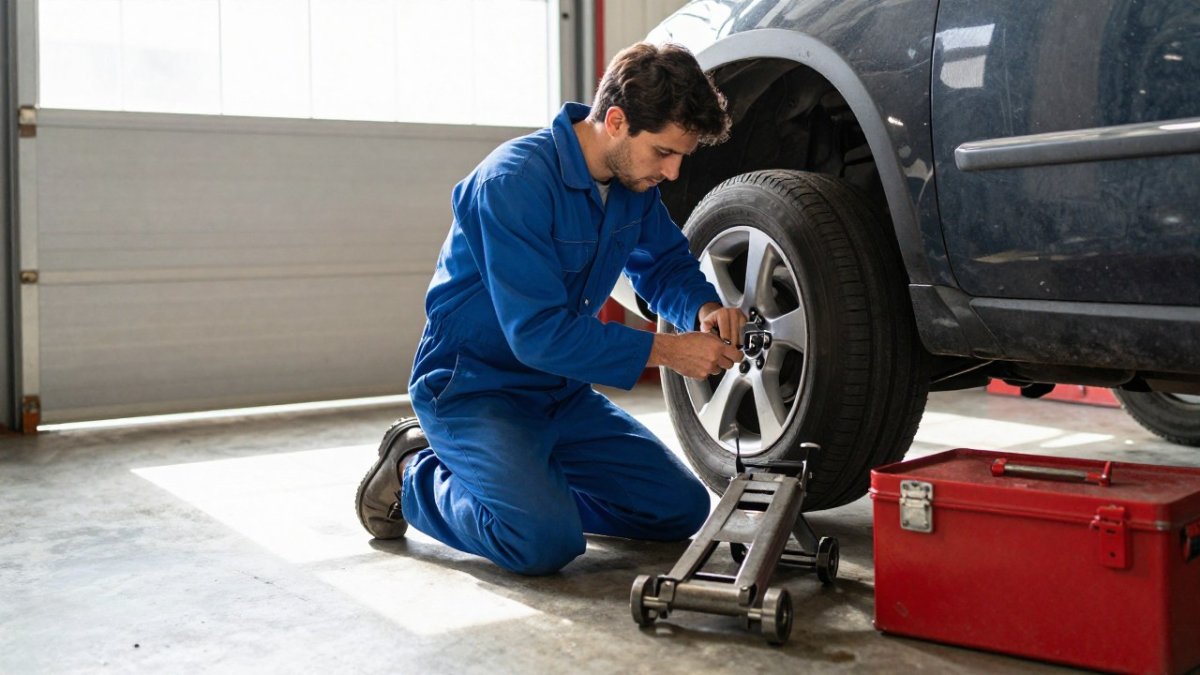
A brake inspection is a hands-on check of the parts that slow and stop your vehicle: pads, rotors, fluid, lines, and calipers.
How Often to Get Brakes Checked
Most drivers should have brakes checked at least once a year, or every 12,000 miles, whichever comes first. City driving, stop-and-go traffic, and hauling loads wear pads faster, if you notice squealing, grinding, a soft pedal, or pulling to one side, schedule an inspection now.
Book a brake inspection with our team and get a clear answer on your brake condition.
| Driving Condition | Suggested Check Interval |
|---|---|
| Mostly highway miles | Every 12 months or 12,000 miles |
| City stop-and-go driving | Every 6 to 9 months |
| Any warning sign | Immediately |
What Does a Brake Inspection Include?
A brake inspection is a check of the parts in the braking system, from the pedal to the wheels.
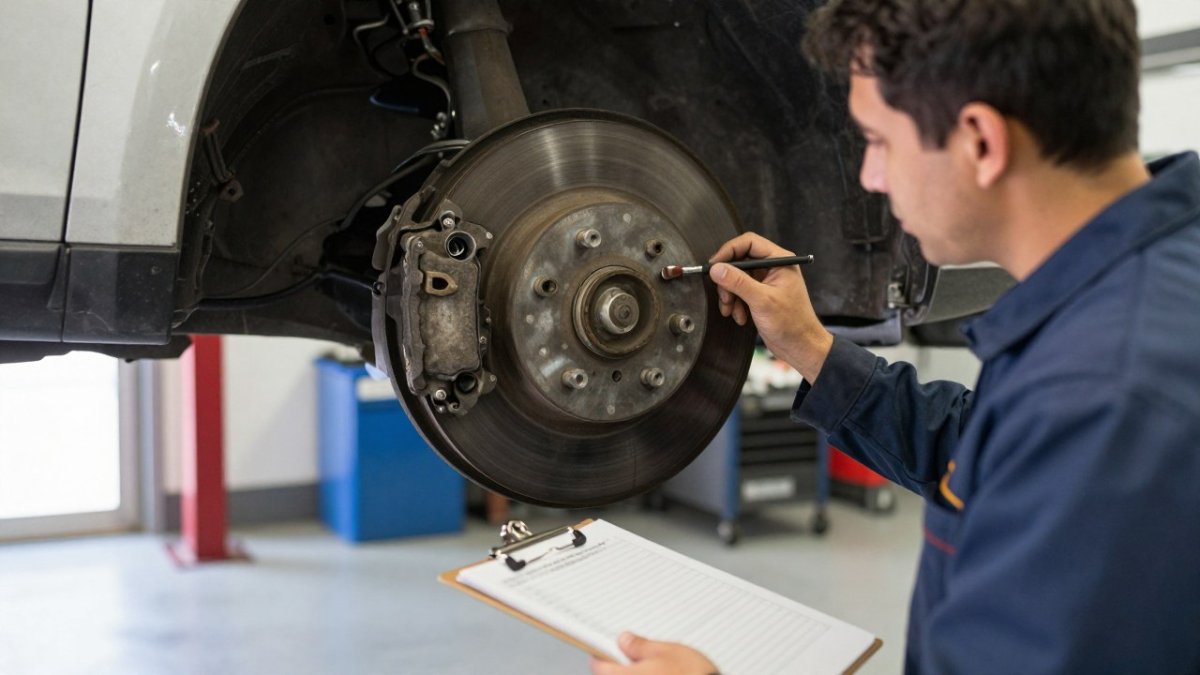
Before you approve any work, read how to get an accurate repair estimate so there are no surprises.
Why Regular Brake System Inspection Pays Off
Treating brakes as a fix-it-when-it-breaks item is a common mistake. A routine inspection catches wear while the fix is still small, that is the real benefit of preventive maintenance: you protect vehicle safety and road safety, and worn pads caught early cost far less than damaged rotors caught late.
If your car shakes when you brake, our guide on why your car shakes when braking explains what it can mean. Hearing a grinding noise? See why your car makes a grinding noise and what to do next.
Brake Warning Signs You Should Not Ignore
Warning signs are your car telling you to get a check now: squealing (a wear indicator touching the rotor), grinding (pads worn to metal), a soft pedal (low fluid or air in the lines), pulling to one side (a sticking caliper), vibration (warped rotors), a brake or ABS light, or low fluid. Any one of these means it is time for a technician assessment.
What a Brake Inspection Costs and What Comes Next
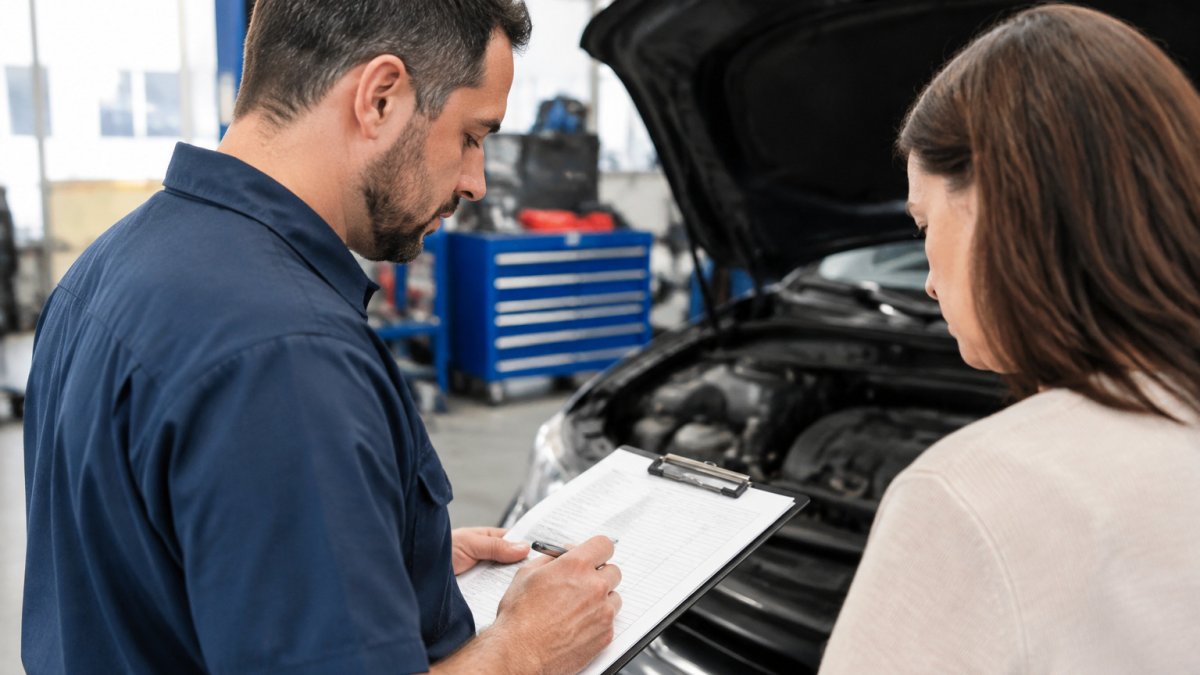
Pricing depends on the shop and what gets checked, so ask before you approve anything. Ask for the findings first, then a quote for the repair: monitor it if parts are still in spec, service it if pads or fluid are due, or repair it if rotors, calipers, or lines need work. An inspection is a checkup; a brake service is the actual replacement work; fluid replacement is its own job.
Brakes are not a place to guess. If your pedal feels off, a light is on, or it has been a year since your last check, get a real answer from a shop that explains findings before charging you. At G&K Auto Repair, we focus on timely testing and repairs done right the first time, with clear communication on what your car needs and why. Schedule an appointment online and get your brake system checked with confidence.
Frequently Asked Questions
Is a brake inspection worth it?
Yes. A brake inspection is one of the cheapest forms of preventive maintenance you can buy. It catches worn pads, scored rotors, and low or contaminated fluid before they turn into grinding brakes or a failed stop. Catching wear early usually means a smaller repair bill and keeps your stopping distance where it should be.
How often should you have your braking system checked?
Most manufacturers recommend a brake inspection every 12,000 miles or once a year, whichever comes first. If you do a lot of stop-and-go commuting, tow a trailer, or drive in hilly terrain, shorten that interval. Have the brakes checked sooner if you notice squealing, grinding, a soft pedal, or a dashboard ABS warning light. Your owner's manual gives the exact interval for your vehicle.
What are the signs that your brakes need inspection?
Watch for squealing or grinding, vibration through the pedal, the car pulling to one side when you brake, a pedal that sinks toward the floor, and an ABS warning light. Visible fluid leaks near the wheels or a low fluid level in the master cylinder also warrant a look. Any of these brake warning signs means schedule an inspection rather than waiting for the next scheduled interval.
How much does a brake inspection usually cost?
The cost of a brake inspection varies by shop and vehicle, . Pricing depends on how thorough the inspection is and whether the wheels need to come off. Ask for the fee up front and for a written estimate before any repair begins. Contact G&K Auto Repair for current pricing and to schedule an appointment.