 How-to
Transmission Repair Signs: When to Call a Mechanic
Last Updated: November 14, 2026
Quick Summary
Signs your car needs transmission repair include slipping gears, rough or jerking shifts, grinding or whining noises, burning odors, poor acceleration, and a dashboard warning light that stays on. Check the transmission fluid first: healthy fluid is reddish and clear, while dark, brown, or burnt-smelling fluid needs to go. Come in if the car slips, grinds, refuses to shift, leaks fluid, or smells burning during a drive.
- Waiting to address transmission symptoms tends to make repairs more costly.
- Park on level ground, warm the car up, then read the dipstick level, color, and smell.
- Milky or sweet-smelling fluid can signal coolant mixing with the transmission fluid.
- A transmission inspection generally involves a road test, a scan for stored codes, a fluid check, and a look at the pan and lines.
- A fluid and filter service costs far less than internal repairs, and a full rebuild or replacement costs the most.
Table of Contents
- Early Signs of Transmission Problems to Watch For
- Signs of Bad Transmission Fluid and How to Check It
- Transmission Repair Cost and When to See a Mechanic
- Frequently Asked Questions
Early Signs of Transmission Problems to Watch For
A car that jerks, hesitates, or slips between gears is showing classic signs your car needs transmission repair. Drivers are best served by catching symptoms early, since waiting tends to make repairs more costly. Watch for slipping gears, rough shifting, grinding or whining noises, burning odors, poor acceleration, and a dashboard warning light. A common mistake is feeling one hard shift and continuing to drive for weeks.
If the car grinds when you shift, read why your car makes a grinding noise to see the likely causes and when to stop driving.
Here are the warning signs that point to transmission trouble, and why catching them early matters.
| Warning sign | What it looks like |
|---|---|
| Slipping gears | Car slips between gears |
| Rough shifting | Jerking or hesitating shifts |
| Grinding or whining noises | Grinding when shifting, whining sounds |
| Burning odors | Burning smell during a drive |
| Poor acceleration | Weak or delayed acceleration |
| Dashboard warning light | Light stays on |
Signs of Bad Transmission Fluid and How to Check It
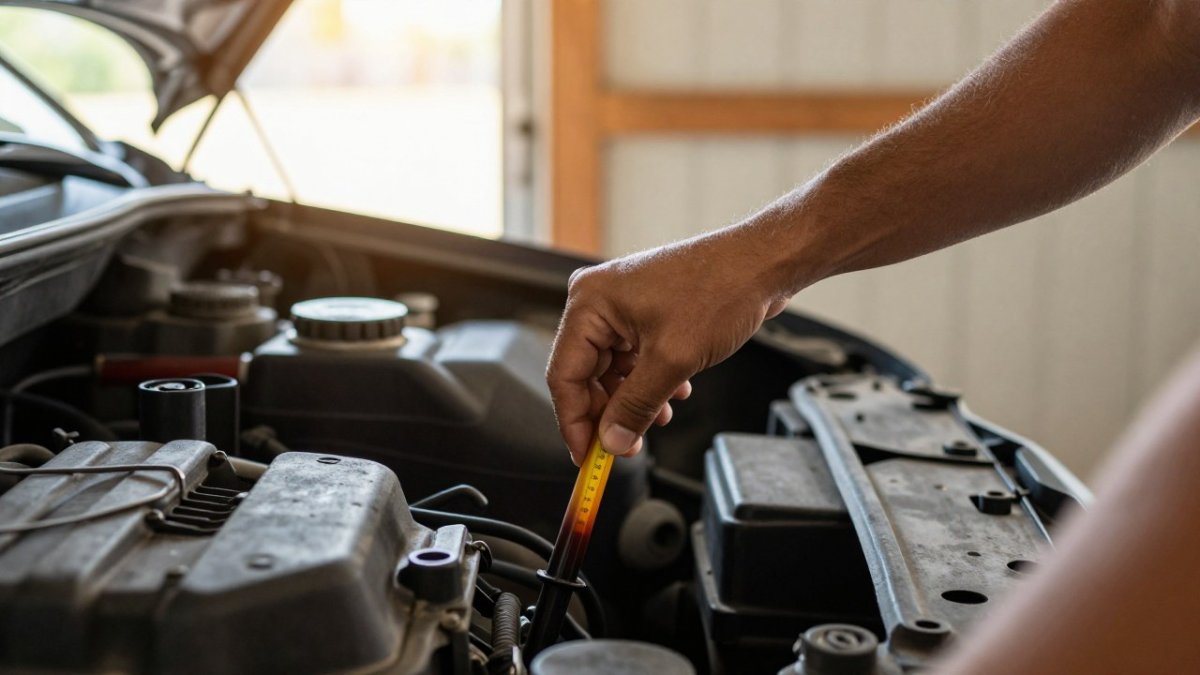
Transmission fluid is a good first thing to check, because bad fluid can contribute to many of the symptoms listed above. Healthy automatic transmission fluid is reddish and clear; fluid that is dark, brown, or smells burnt needs to go. Park on level ground, warm the car up, then pull the dipstick, wipe it, reinsert it fully, and read the level, color, and smell. If the fluid looks milky or smells sweet, stop driving and have it checked, since that can signal coolant mixing with the fluid.
If the fluid is dark or low, our guide on signs of bad transmission fluid and what to do next walks you through the next steps.
Transmission Repair Cost and When to See a Mechanic
Transmission repair cost depends on what is actually wrong. A fluid and filter service costs far less than internal repairs, and a full rebuild or replacement costs the most. Come in if the car slips, grinds, or refuses to shift, fluid is leaking, a warning light stays on, or you smell burning during a drive. A transmission inspection generally involves a road test, a scan for stored codes, a fluid check, and a look at the pan and lines.
If you are weighing your options, see affordable transmission repair in Muskegon MI, read how to get an accurate repair estimate before you commit, or book an appointment with G&K Auto Repair to get it looked at.
A grinding gear or a slipping transmission will not fix itself, and every mile you drive makes the repair more likely to grow. If your car is showing any of the warning signs above, do not wait for it to fail on the road. G&K Auto Repair offers timely testing and repairs done right the first time, with a clear walkthrough of what we find before we start. Get started with G&K Auto Repair and schedule your appointment online today.
Frequently Asked Questions
How do I know if my transmission needs repair?
Watch for slipping gears, delayed or rough shifting, grinding or whining noises, a burning or sweet odor, and a dashboard warning light. Fluid that looks dark or smells burnt is another red flag. If several of these appear together, stop driving and have a shop inspect the transmission.
Can you drive a car with transmission problems?
Short trips to a nearby shop are usually fine for mild symptoms like a delayed shift. Stop driving if the car slips out of gear, refuses to engage, overheats, or shows a warning light. Continuing to drive a slipping transmission can turn a fluid service into a full rebuild. When in doubt, have the vehicle towed or call ahead to describe the symptoms before you move it.
What affects transmission repair cost?
Transmission repair cost depends on the fault, the vehicle, and whether the shop services or rebuilds the unit. A fluid change or sensor replacement sits at the low end. Internal repairs and full replacements cost far more. Because pricing varies by vehicle and diagnosis, ask for a written estimate before work starts and confirm what the inspection covers.